Catalog & Directory
Cars
Cars
SuperUser Account
743
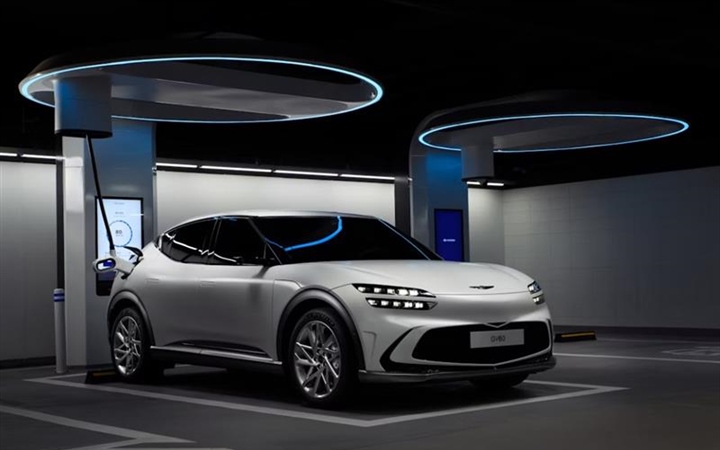
The automotive world is changing quickly. Electric cars are becoming more common on roads around the world, while gasoline and diesel vehicles continue to make up a large part of the global car fleet. For many drivers, the choice between electric and conventional cars is no longer theoretical—it is becoming a practical buying decision.
Both types of vehicle have advantages and disadvantages, and the best choice depends on where a driver lives, how far they travel, how often they can recharge or refuel, and what they expect from their car.
Cars
SuperUser Account
741
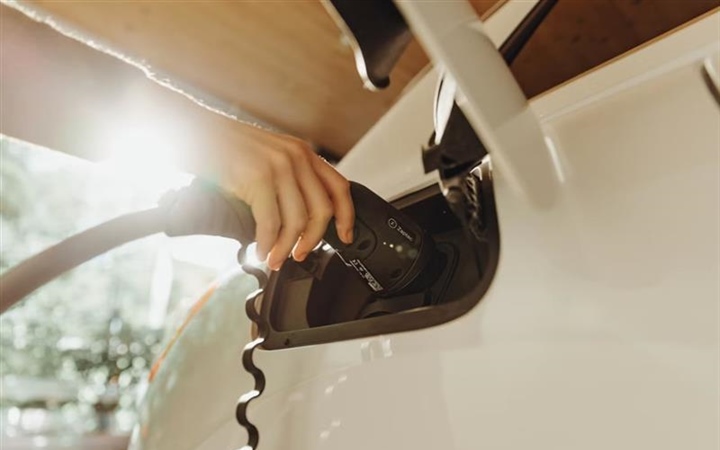
One of the biggest changes when moving from a gasoline car to an electric vehicle is the way energy is added to the car.
Instead of visiting a fuel station every few days or weeks, many electric car owners charge whenever the vehicle is parked.
Understanding the different charging methods makes electric ownership much easier.

Cars
SuperUser Account
721
Electric vehicles are often promoted as environmentally friendly alternatives to gasoline and diesel cars.
The reality is more complicated than simply saying one type is clean and the other is dirty.
Producing any car requires energy, raw materials, factories, transportation, and infrastructure.
The environmental impact of a vehicle needs to be considered across its full life cycle.
Cars
SuperUser Account
718
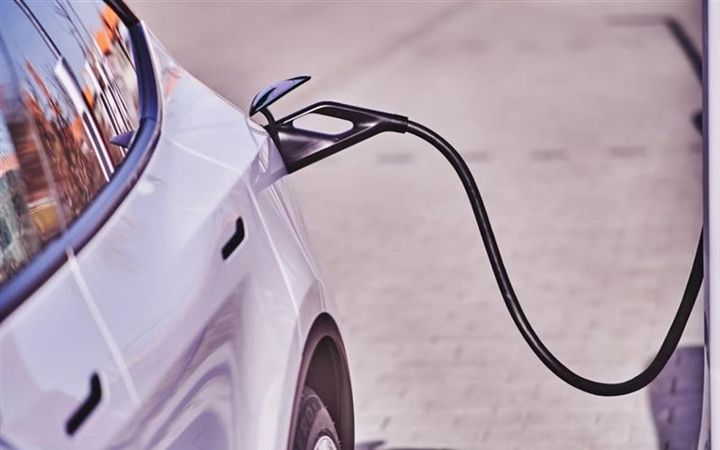
Electric cars are excellent for daily commuting, but many potential buyers worry about long-distance travel.
Can an electric vehicle really replace a gasoline car for road trips?
The answer depends on the car, route, charging network, weather, and driver's expectations.
Cars
SuperUser Account
690
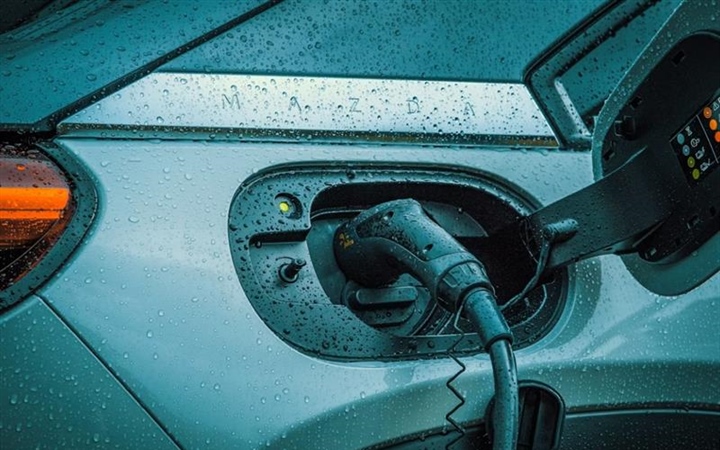
Many people are surprised the first time they drive an electric car.
Even an ordinary electric family vehicle can feel remarkably quick when accelerating away from traffic lights.
The reason is not simply that electric cars have powerful motors. It is because electric motors produce power differently from gasoline engines.