Beverages
SuperUser Account
315
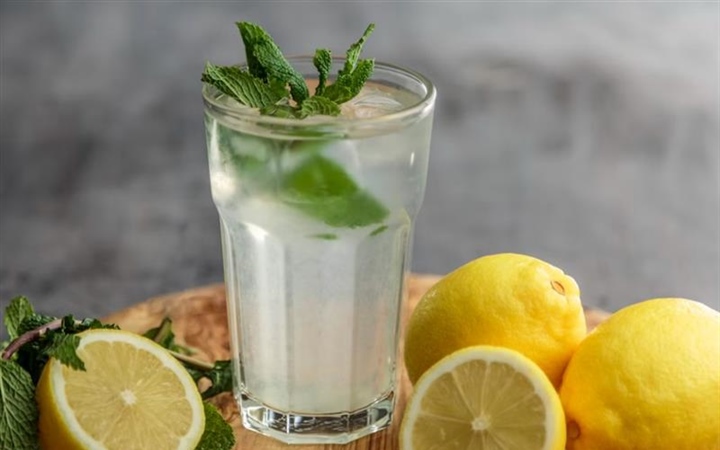
Fresh juice produces the brightest flavor.
Rolling lemons firmly on a countertop before cutting them can help release more juice.
Straining removes seeds, while leaving a small amount of pulp can create a more homemade texture.
The zest also contains aromatic oils and can be used carefully to intensify lemon flavor.

Beverages
SuperUser Account
336
Soft drinks are among the most recognizable commercial beverages in the world.
Cola, lemon-lime soda, orange soda, tonic-style drinks, and countless regional flavors are sold in almost every market.
Their popularity is built on carbonation, sweetness, strong branding, and consistency.
Beverages
SuperUser Account
302
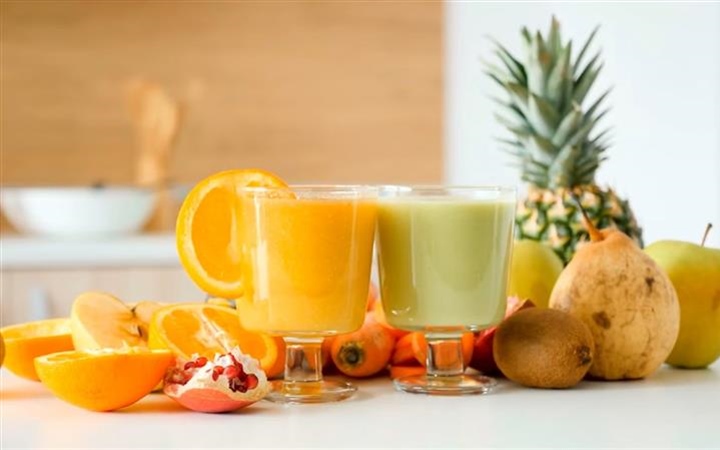
Fruit juice is one of the most familiar beverages in homes, cafés, hotels, and breakfast tables around the world.
Orange, apple, grape, pineapple, pomegranate, mango, and countless other fruits can be transformed into drinks with bright flavors and natural sweetness.
Yet there is a major difference between freshly squeezed juice, juice from concentrate, and sweetened fruit drinks.
Beverages
SuperUser Account
353
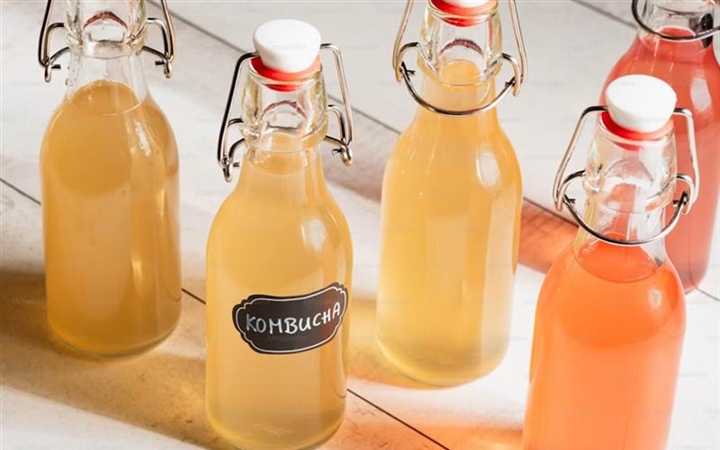
Kombucha has moved from a niche fermented drink into supermarkets, cafés, and specialty beverage menus around the world.
It is made by fermenting sweetened tea with a culture of microorganisms.
The resulting beverage is usually lightly acidic, slightly sparkling, and often flavored with fruit, herbs, or spices.
Beverages
SuperUser Account
307
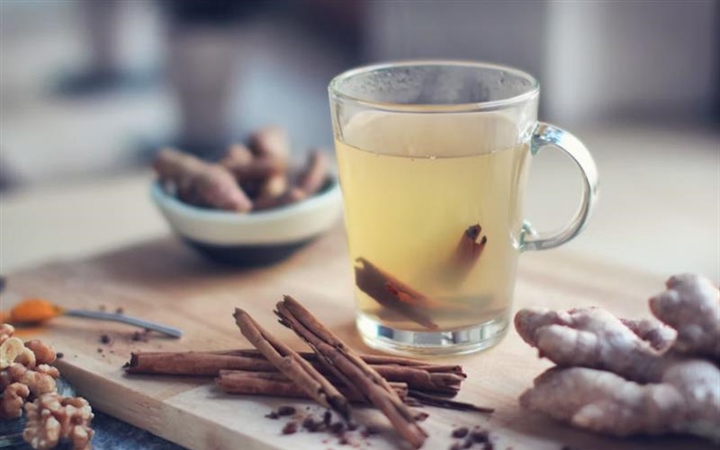
Not every drink commonly called tea is technically tea.
Herbal beverages made from mint, chamomile, hibiscus, ginger, rooibos, and other plants do not necessarily contain leaves from the tea plant.
They are more accurately described as herbal infusions or tisanes.
Despite that distinction, they have been consumed around the world for centuries.