Catalog & Directory
Food
Tourism
SuperUser Account
368
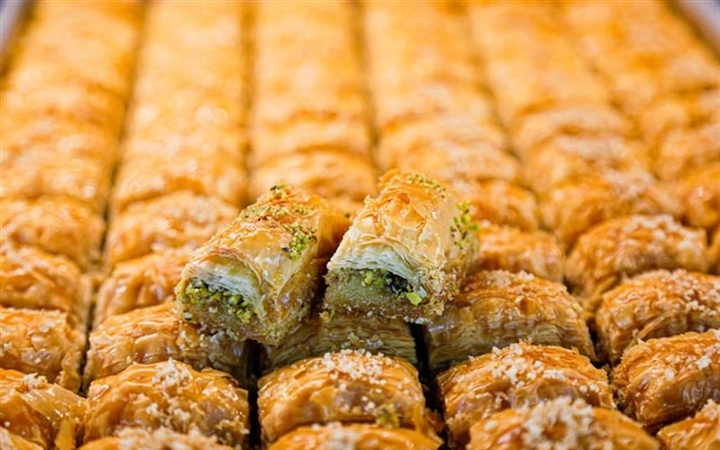
Turkish cuisine reflects the geography and history of a country positioned between Europe, Asia, the Mediterranean, the Middle East, and the Black Sea.
The result is an enormously diverse food tradition featuring grilled meat, vegetables, bread, yogurt, seafood, pastries, spices, rice, legumes, and sweets.
Tourism
SuperUser Account
328
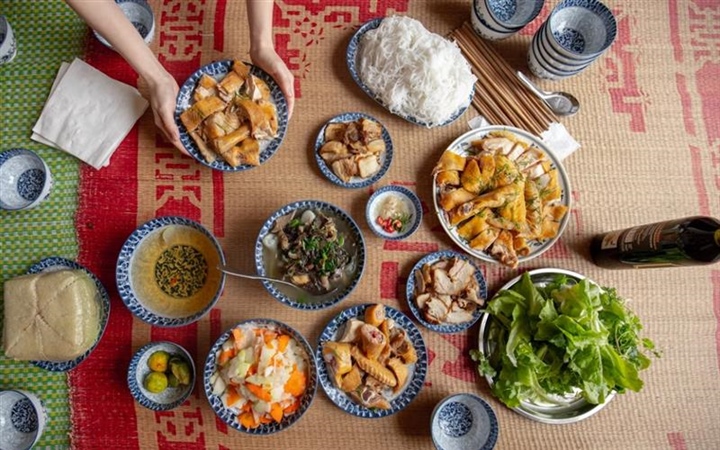
Vietnamese cuisine is known for its freshness, aromatic herbs, contrasting textures, and balance between salty, sour, sweet, spicy, and savory flavors.
Rice, noodles, fish sauce, herbs, vegetables, pork, beef, chicken, seafood, and tropical fruits form the basis of countless dishes.
Food culture varies significantly from northern to southern Vietnam.
Tourism
SuperUser Account
368
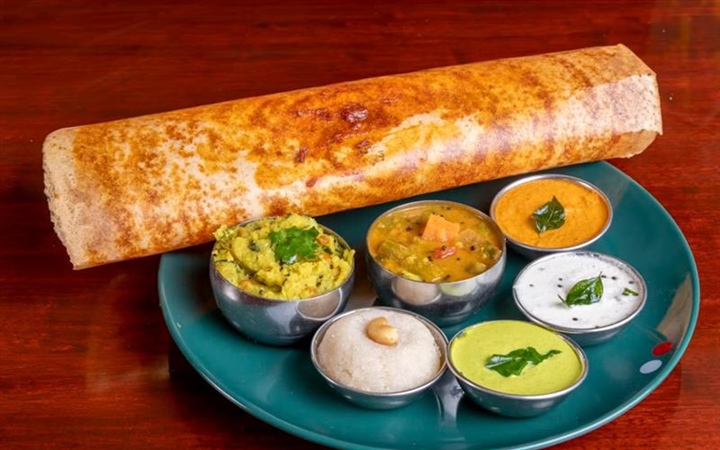
What unites much of Indian food is the skilled use of spices to build layers of flavor rather than simply adding heat.
Indian cuisine is so diverse that describing it as a single style of cooking is almost impossible. Different regions use different grains, spices, vegetables, cooking techniques, meats, and religious traditions.
Tourism
SuperUser Account
355
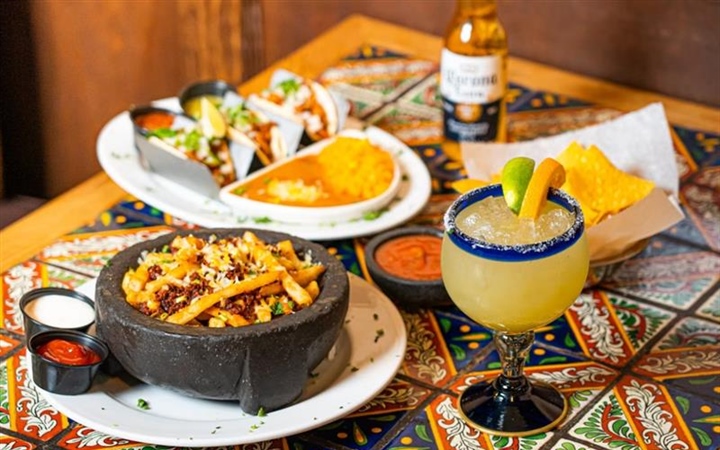
Mexican food is colorful, aromatic, and deeply rooted in history. While tacos, burritos, and nachos are internationally familiar, traditional Mexican cuisine is far more diverse and complex.
Corn, beans, chili peppers, tomatoes, avocados, herbs, cacao, and squash have been important ingredients for centuries. Later influences introduced meats, dairy products, wheat, and other foods that became integrated into regional cooking.
Tourism
SuperUser Account
348
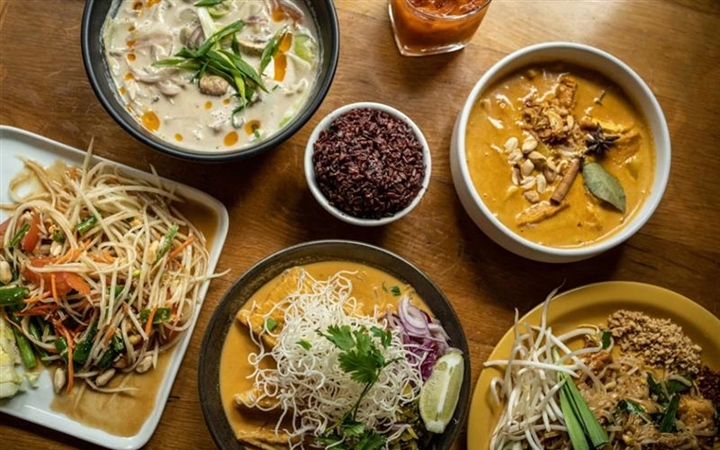
Thai cuisine is famous for combining powerful flavors in remarkably balanced ways. A single dish may contain sweetness, acidity, saltiness, heat, herbs, and deep savory notes.
Lemongrass, lime, chili peppers, fish sauce, coconut milk, garlic, basil, coriander, galangal, tamarind, and fresh vegetables are among the ingredients that give Thai food its distinctive personality.