Cars
SuperUser Account
356
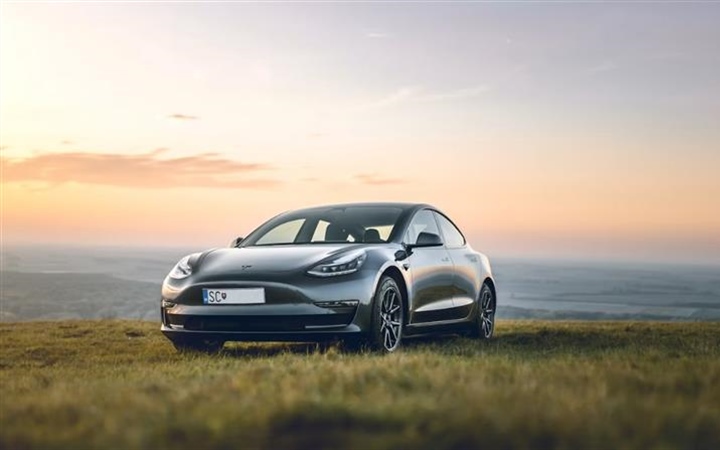
The purchase price is only one part of the cost of owning a car.
Drivers also pay for fuel or electricity, maintenance, insurance, tires, taxes, repairs, depreciation, and sometimes parking or charging services.
Electric cars can be cheaper in some areas and more expensive in others.
Understanding the total cost of ownership is therefore more useful than comparing showroom...
Cars
SuperUser Account
350
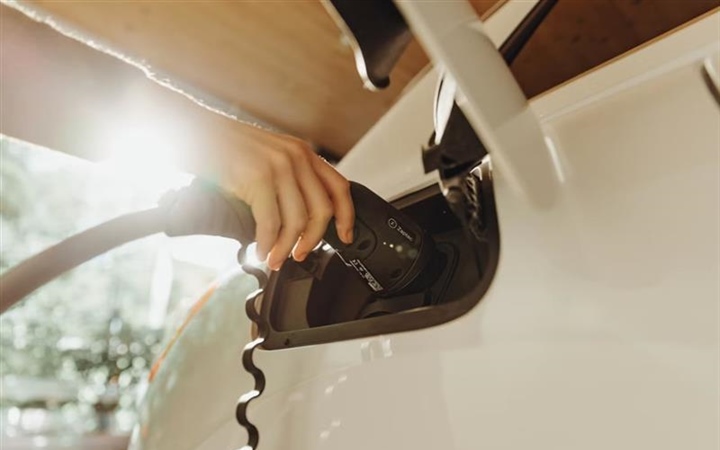
One of the biggest changes when moving from a gasoline car to an electric vehicle is the way energy is added to the car.
Instead of visiting a fuel station every few days or weeks, many electric car owners charge whenever the vehicle is parked.
Understanding the different charging methods makes electric ownership much easier.

Cars
SuperUser Account
343
Electric cars receive enormous attention, but gasoline-powered vehicles continue to be widely used.
There are practical reasons for this.
Internal-combustion cars benefit from a mature global infrastructure, enormous model variety, rapid refueling, and more than a century of technical development.
For many drivers, they remain the easiest solution.
Cars
SuperUser Account
317
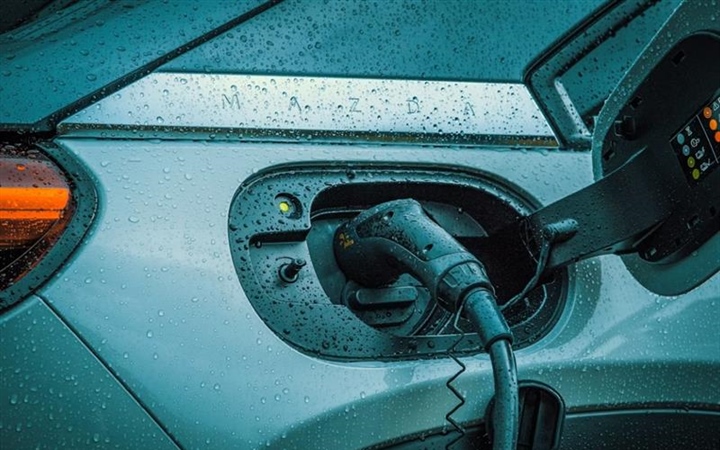
Many people are surprised the first time they drive an electric car.
Even an ordinary electric family vehicle can feel remarkably quick when accelerating away from traffic lights.
The reason is not simply that electric cars have powerful motors. It is because electric motors produce power differently from gasoline engines.

Cars
SuperUser Account
352
Electric vehicles are often promoted as environmentally friendly alternatives to gasoline and diesel cars.
The reality is more complicated than simply saying one type is clean and the other is dirty.
Producing any car requires energy, raw materials, factories, transportation, and infrastructure.
The environmental impact of a vehicle needs to be considered across its full life cycle.