Tourism
SuperUser Account
356
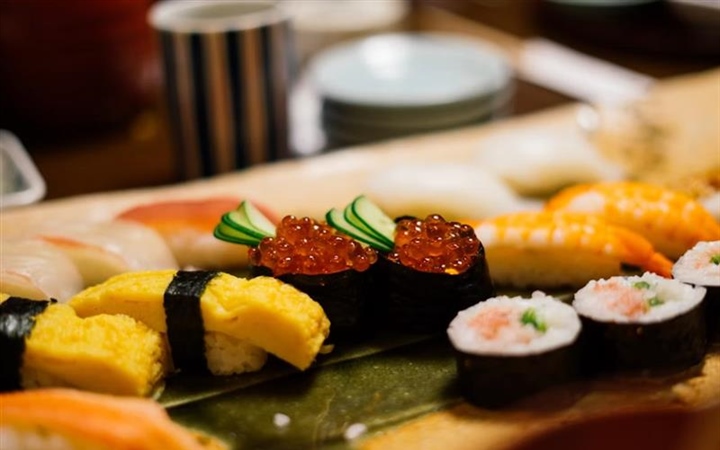
Japanese cuisine is known around the world for sushi and ramen, but the country’s food culture is far broader. It combines extraordinary technical precision with a strong appreciation for seasonality, presentation, texture, and natural flavor.
Meals often emphasize balance rather than heaviness. Rice, seafood, vegetables, noodles, fermented ingredients, seaweed, soy products, and carefully prepared broths form the foundation of many dishes.
Tourism
SuperUser Account
337
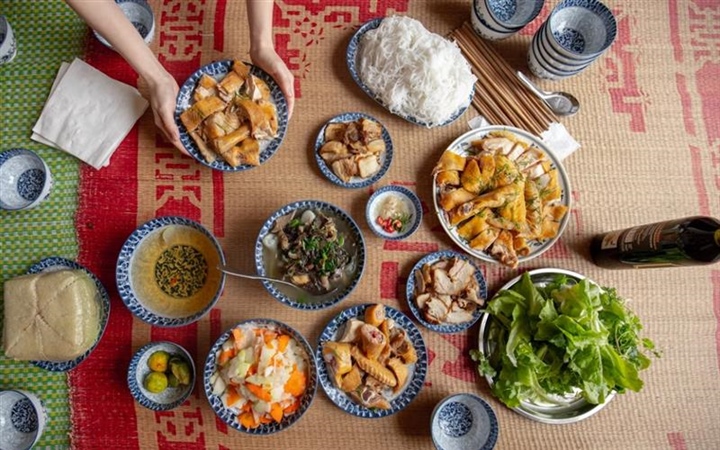
Vietnamese cuisine is known for its freshness, aromatic herbs, contrasting textures, and balance between salty, sour, sweet, spicy, and savory flavors.
Rice, noodles, fish sauce, herbs, vegetables, pork, beef, chicken, seafood, and tropical fruits form the basis of countless dishes.
Food culture varies significantly from northern to southern Vietnam.
Tourism
SuperUser Account
363
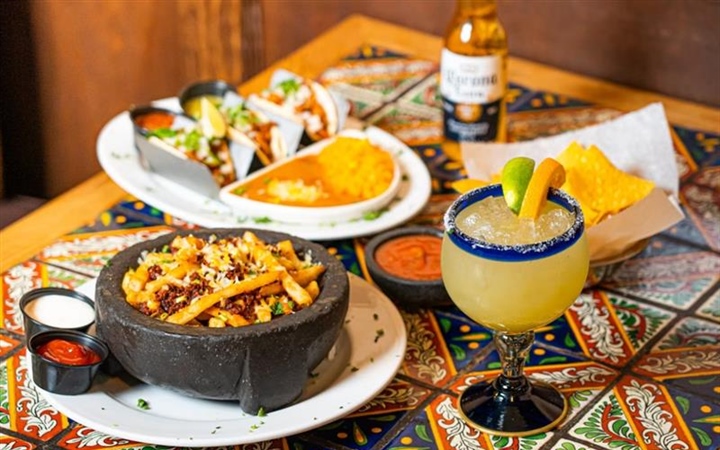
Mexican food is colorful, aromatic, and deeply rooted in history. While tacos, burritos, and nachos are internationally familiar, traditional Mexican cuisine is far more diverse and complex.
Corn, beans, chili peppers, tomatoes, avocados, herbs, cacao, and squash have been important ingredients for centuries. Later influences introduced meats, dairy products, wheat, and other foods that became integrated into regional cooking.

Tourism
SuperUser Account
358
Spanish cuisine is energetic, social, and extremely regional.
While paella and tapas are known internationally, Spain’s food culture includes everything from Atlantic seafood and mountain stews to cured meats, rice dishes, grilled vegetables, and inventive modern cuisine.
Olive oil, garlic, tomatoes, seafood, pork, rice, legumes, and seasonal vegetables are central to many...
Tourism
SuperUser Account
345
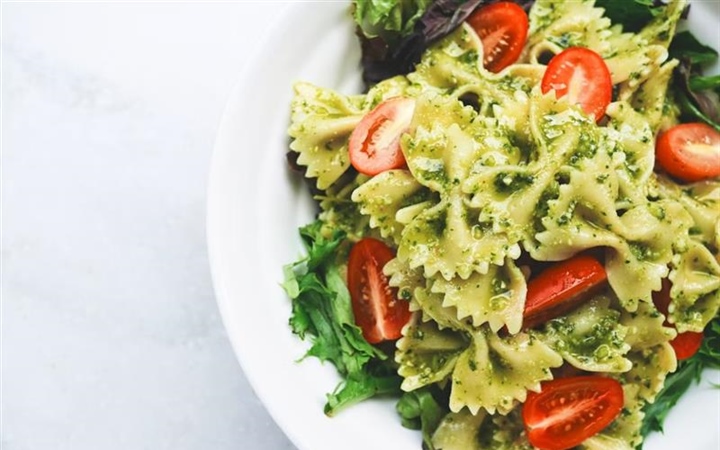
Italian food is one of the most recognizable cuisines in the world, yet the version served internationally represents only a small part of Italy’s enormous culinary diversity. From northern risottos to southern pasta dishes, Italian cooking changes dramatically from one region to another.
At the heart of Italian cuisine is a respect for ingredients. Many traditional dishes rely on only a few components, but each ingredient is expected to contribute something important. Olive oil, tomatoes, garlic, cheese, fresh herbs, vegetables, seafood, cured meats, and handmade pasta all play major roles.