Watches
SuperUser Account
302
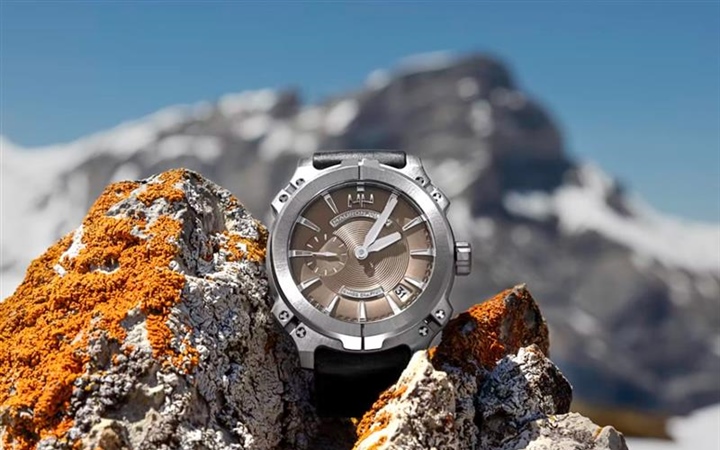
A watch's material affects far more than appearance.
It influences weight, durability, comfort, scratch resistance, price, and even how the watch feels on the wrist.
Modern manufacturers have access to a wider range of case materials than ever before.
Understanding the differences can help buyers choose a watch that fits their lifestyle.
Watches
SuperUser Account
329
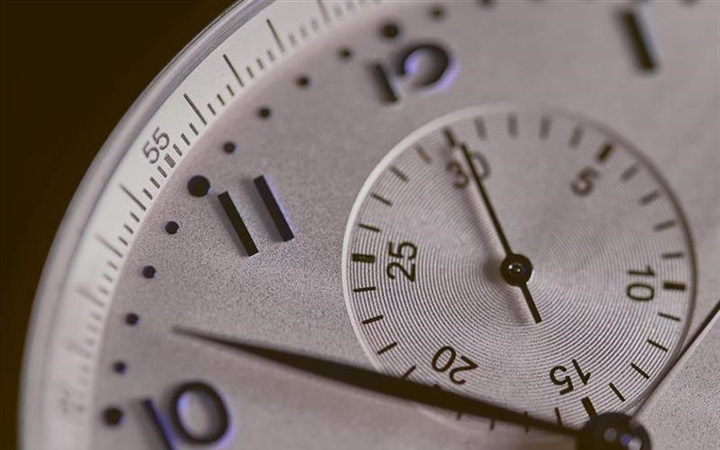
Chronograph watches are among the most recognizable and visually complex watch designs.
They usually feature additional subdials and pushers on the side of the case.
Although many people buy chronographs for their appearance, the mechanism has a practical purpose: it allows the watch to measure elapsed time.

Watches
SuperUser Account
329
Dive watches were originally designed as practical instruments for underwater professionals.
Today, they are among the most popular watch styles in the world, even among people who never go diving.
Their success comes from a combination of rugged construction, clear design, water resistance, and strong visual identity.
Watches
SuperUser Account
354
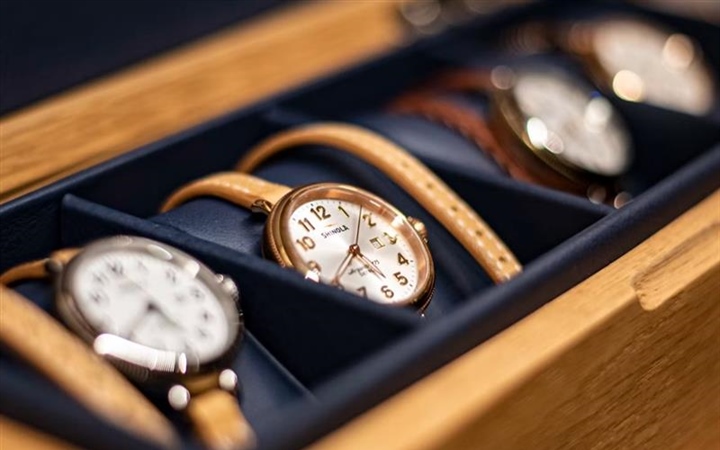
Unlike quartz or digital watches, a mechanical watch operates without a battery. Its movement is powered by stored mechanical energy.
In an age of smartphones and digital displays, a mechanical watch may seem unnecessary. Yet mechanical watches remain highly desirable because they offer something technology cannot easily replace: craftsmanship, engineering, tradition, and a physical connection to timekeeping.
Watches
SuperUser Account
326
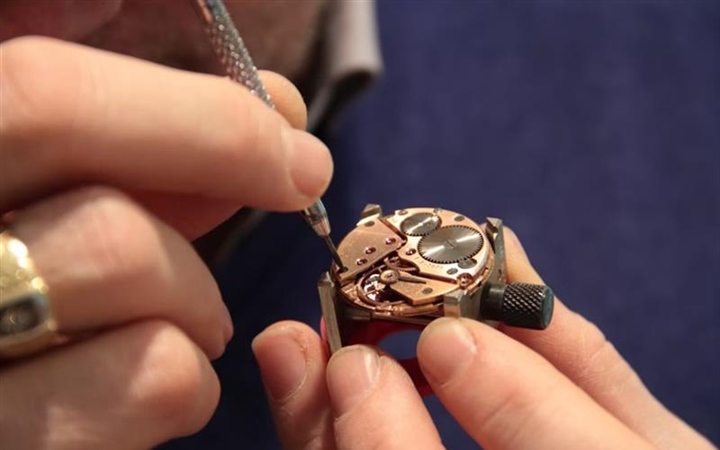
A good watch can last for decades, but longevity depends partly on proper care.
Mechanical, quartz, and smart watches have different maintenance requirements, yet all benefit from sensible handling.
A few simple habits can prevent unnecessary damage and preserve both appearance and performance.