Watches
SuperUser Account
333
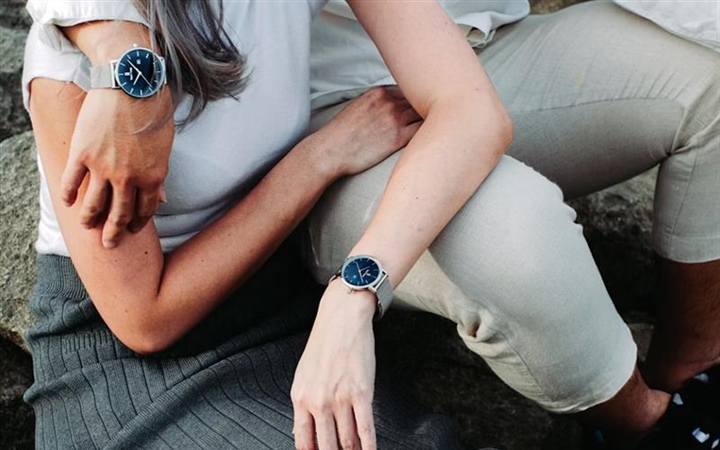
Choosing a watch can be surprisingly difficult.
The market includes tiny dress watches, rugged outdoor models, dive watches, chronographs, smartwatches, digital sports watches, luxury mechanical pieces, and affordable everyday designs.
The best watch is not necessarily the most expensive one.
It is the one that fits the wearer's needs, wrist, style, and...
Watches
SuperUser Account
330
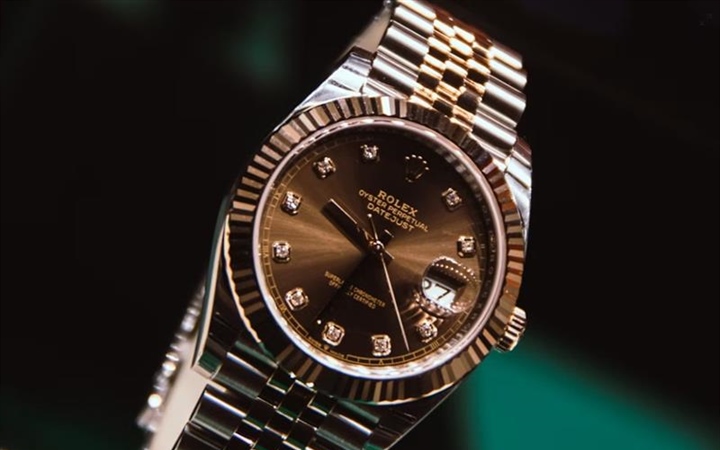
Why can one watch cost a hundred times more than another when both display the same time?
The answer involves far more than accuracy.
Luxury watches combine materials, engineering, craftsmanship, design, finishing, brand history, production volume, and sometimes collectability.
Understanding these factors helps explain why premium watchmaking exists in a world where inexpensive quartz watches are...
Watches
SuperUser Account
339
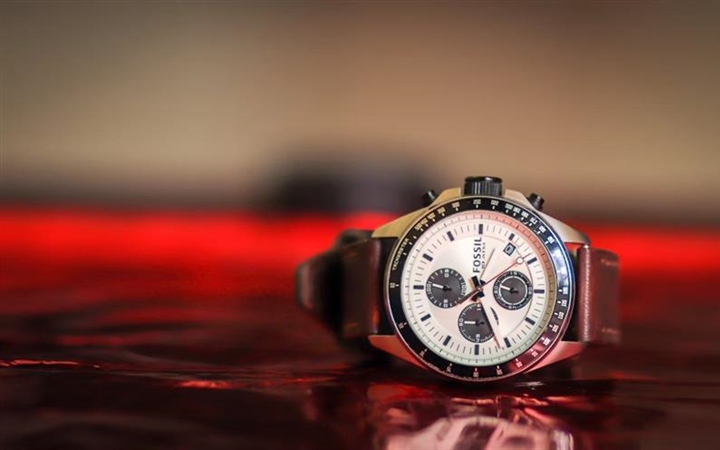
Quartz watches changed the watch industry dramatically during the twentieth century.
They offered an affordable, accurate, and reliable alternative to traditional mechanical watches. Today, quartz movements can be found in everything from inexpensive everyday watches to premium luxury models.
Their greatest advantage is simple: they work extremely well.
Watches
SuperUser Account
310
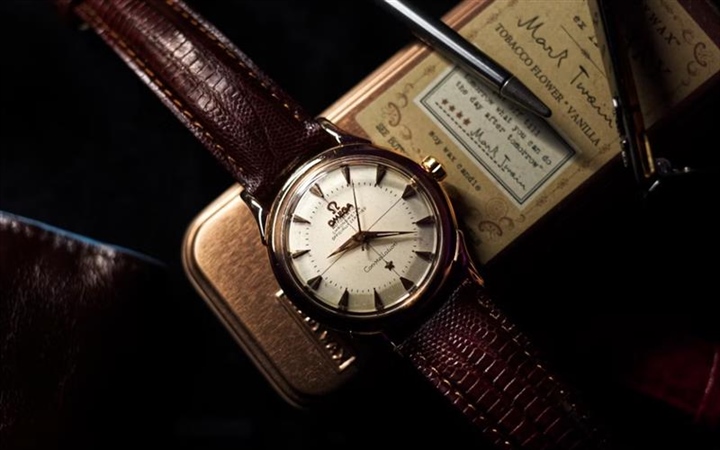
Vintage watches have a character that new watches often struggle to reproduce.
Their smaller cases, aged dials, historical movements, and signs of use connect them to another era of design and manufacturing.
For collectors, owning a vintage watch can feel like wearing a small historical object.
Watches
SuperUser Account
338
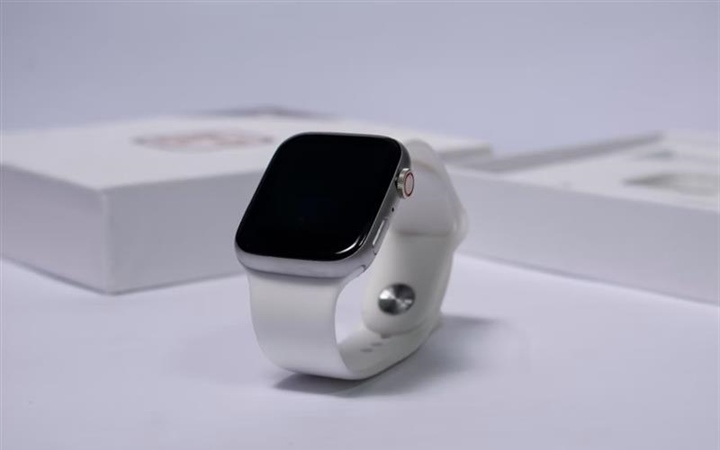
The arrival of smartwatches changed the meaning of the wristwatch.
A traditional watch primarily displays time and possibly a few additional functions. A smartwatch can receive notifications, track exercise, monitor health metrics, provide navigation, control music, and run applications.
Both belong on the wrist, but they serve very different purposes.